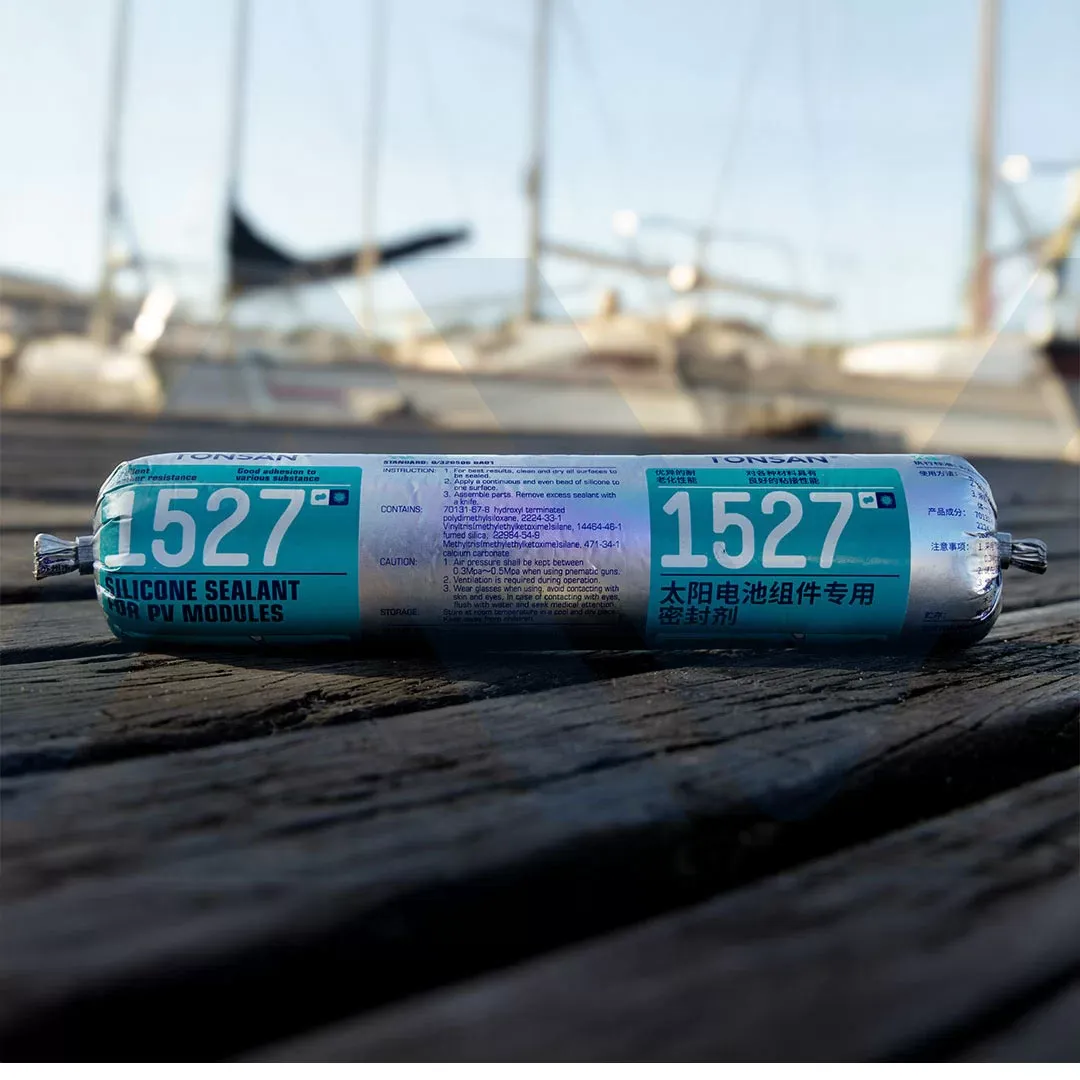
1527 Silicone Sealant / Glue Adhesive for PV Modules: Uses, Benefits & Applications
In the solar energy industry, reliable sealing and bonding solutions are essential for maintaining the performance, durability, and weather resistance of photovoltaic (PV) modules. 1527 Silicone Sealant / Glue Adhesive for PV Modules is designed for applications where strong adhesion, dependable sealing, and long-term protection are required.
Whether used during solar panel assembly, installation, maintenance, or component bonding, silicone-based adhesives can help protect sensitive areas of PV modules from environmental exposure.
What Is 1527 Silicone Sealant / Glue Adhesive for PV Modules?
1527 Silicone Sealant / Glue Adhesive is a silicone-based bonding and sealing material intended for suitable photovoltaic module and solar panel applications. It can be used to create a flexible, durable seal while providing adhesion between compatible materials.
Its silicone formulation makes it suitable for applications where components may experience temperature changes, outdoor exposure, vibration, and moisture.
Main Uses of 1527 Silicone Adhesive for PV Modules
Solar Panel Component Bonding
1527 silicone adhesive can be used to bond compatible components during PV module assembly. It helps hold components securely while maintaining flexibility as the module experiences thermal expansion and contraction.
PV Module Sealing
One of the key applications of silicone sealant is solar panel sealing. Proper sealing helps reduce the risk of moisture and environmental contaminants reaching sensitive areas of the module.
Junction Box Bonding and Sealing
Silicone adhesive can be used in suitable PV junction box bonding and sealing applications, helping provide a secure interface between the junction box and the module surface. Product specifications and compatibility should be checked before use.
Solar Panel Frame Sealing
The material can also be considered for solar panel frame sealing and other perimeter applications where a flexible seal is required between compatible substrates.
Cable and Electrical Component Protection
For appropriate applications, silicone sealants may help protect selected areas around PV cables, connectors, and electrical components from moisture and environmental exposure. Compatibility with the particular component and electrical requirements should be verified before application.
Solar Module Maintenance and Repair
During PV module maintenance, a suitable silicone adhesive can be used for certain sealing, bonding, and weatherproofing applications. Proper surface preparation is important for achieving reliable adhesion.
Benefits of Silicone Adhesive for Solar Panels
Using a suitable silicone sealant in photovoltaic applications can provide several potential benefits:
Flexible bonding that can accommodate movement between compatible materials
Weather resistance for outdoor solar applications
Moisture sealing and environmental protection
Durable adhesion for compatible PV substrates
Resistance to temperature fluctuations
Long-term protection when correctly selected and applied
Practical application for manufacturing, installation, and maintenance
Why Use Silicone Sealant in PV Module Applications?
Solar panels are continuously exposed to sunlight, rain, humidity, dust, temperature fluctuations, and mechanical stresses. A reliable PV module sealant can help protect joints and interfaces from these conditions.
Unlike rigid bonding materials, silicone adhesives can offer flexibility. This can be valuable where bonded components have different thermal expansion characteristics or experience repeated temperature cycling.
Application Tips for 1527 PV Module Silicone Adhesive
For the best results, always follow the manufacturer's technical data sheet and application instructions. General application considerations include:
Clean the surfaces thoroughly before application.
Remove dust, grease, oil, and other contaminants.
Ensure the surfaces are dry and properly prepared.
Apply the recommended amount of 1527 silicone sealant.
Assemble the components within the recommended working time.
Allow the adhesive to cure under the specified conditions.
Avoid exposing the assembly to service conditions before adequate curing has occurred.
Always perform compatibility and adhesion testing on the actual substrates before large-scale production.
Choosing the Right PV Module Sealant
When selecting a silicone adhesive for solar panels, consider factors such as substrate compatibility, curing characteristics, temperature range, weather resistance, adhesion strength, flexibility, electrical requirements, and the expected service environment.
For commercial PV manufacturing, it is also important to review the product's technical documentation, safety information, recommended application thickness, curing time, and applicable industry requirements.
1527 Silicone Sealant for Solar Energy Applications
As solar installations continue to expand worldwide, dependable materials for PV module manufacturing, solar panel assembly, sealing, and maintenance are increasingly important. 1527 Silicone Sealant / Glue Adhesive can be considered for suitable bonding and sealing applications where flexibility, adhesion, and environmental protection are required.
Before using the product in a critical PV application, always verify its specifications, certifications, substrate compatibility, and suitability with the equipment manufacturer's requirements.
Conclusion
1527 Silicone Sealant / Glue Adhesive for PV Modules can be used for a variety of suitable solar-panel bonding, sealing, weatherproofing, and maintenance applications. Its silicone-based properties make it a practical option for applications where reliable adhesion and environmental protection are important.
For manufacturers, installers, and solar-energy professionals, selecting the correct PV module adhesive, solar panel sealant, silicone glue, and photovoltaic bonding solution can contribute to the durability and reliability of solar assemblies.